2012 has been a year filled with new experiences, new friends and lots of new fruits. Applying my last year's wishes, I would like to share with you one of the most valuable lessons I learnt in 2012. I'll never forget the moment: a friend of mine came over for a visit, so I was showing her around the historical centre. We decided to have a beer on the Plaza de San Francisco, which has one of the only outside terraces on which you can enjoy a drink or a bite in the open air.
As we were updating each other on our lives, I was telling her how I was enjoying myself on a personal level in my new habitat, yet felt rather unsatisfied with my professional environment. I had just come up to speed rambling, when my friend interrupted me to say: if there's one lesson I've come to learn over the years, it is that you cannot have it all. No matter how hard you try, there will always be something that is missing from the picture. So you better learn to live with the fact that you cannot have it all: appreciate all the good you have instead of focusing on what you do not have!
It took me a while to absorb the message and, most of all, to accept its ramifications. Not an easy feat, especially when society surrounds you with images of success, glamour and glitter, where the sky is the limit and life seems burdenless. As soon as I accepted my friend's advice, however, I cannot count the times that I saw, read or lived the proof of that valuable lesson. Be it a volcano that didn't let me ascend to her summit, women who still cannot match a high fly job with nurturing their families, or simply a clash of agendas, life abounds with examples that you simply cannot have it all, nor should you try to.
Appreciate all the good things around you, do not abandon ship at the first sight of stormy clouds. Just give the sun some time to break through. Of course, if you still feel you're on the wrong track, you can always change direction. Just don't give up too soon, keep patient and enjoy the good company while it lasts!
As for me, the sky has cleared: not long after my friend left, work has become a lot more interesting up to the point that I am more than happy to extend my stay here. And, besides professional reasons, there are still some mountains left to climb... But for now, I wish you all the best for the new year, and don't forget to smile!
Showing posts with label life stories. Show all posts
Showing posts with label life stories. Show all posts
Monday, 24 December 2012

Sunday, 23 December 2012
Monday, 19 November 2012
Lessons from the mountains
Following a break of two months after an intensive period of mountain climbing, I have picked it up again. After all, you have to make the most out of living in another country; with so many impressive mountains and volcanoes so close by, I cannot resist the perfect escape from Quito's busy, CO2-emitting traffic into the crispy, fresh air of the páramo and beyond. Not only are the mountains home to such pristine nature that it makes you instantly forget about your daily sorrows, they also teach you valuable lessons for most big endeavours you may undertake in life, be they personal or professional.
The most obvious ingredient for success is no doubt passion. If you don't believe in your project, if you don't have a deep drive or if you don't feel passionate about what you are doing, it will be difficult to overcome the rough bumps on the road that leads to your final goal.
Second of all, a sound preparation is essential. You cannot reach the top of Ecuador's second highest volcano (Cotopaxi, 5894m) without a decent training - believe me, I have tried (and failed). That is, unless you are very lucky and external circumstances allow you to make it. No, before attempting to sweep away the big prize, you should start climbing some lower peaks to train you physically, and learn the basics of glacier climbing to train you technically. This way you get to learn your own body, how it behaves in different circumstances, and you grow confidence not only in your physical abilities, but at least as important, also in the technical gear that you carry with you. All this preparation gives you the confidence necessary to react pertinently in adverse situations and maintain your cool when you're staring into a seemingly bottomless crevasse.
Furthermore, this preparation gives you the intuition that allows you to identify people to guide you. Most likely, you're not the first to walk the road you're on. Rather than reinventing the wheel, you should learn to accept the guidance of others and trust them to lead the way. Experience and training help you to identify the various elements needed to reach your goal, and to recognize when people are skilled in those aspects.
Unless you are going it alone, there are more people involved in your endeavour. Some of them are literally tied to you, while others are walking just in front or behind you. You won't reach the summit if you don't learn to tolerate each other's characters. You're all on the same path, headed for the same goal, and you shouldn't let frustration and each other's deficiencies come in between of reaching that shared objective. Whenever you're having trouble with someone, spit it out in a clear and respectful way rather than bursting out. Suggest how you could make it work differently, instead of growing a grudge against the other person: you need to be able to trust each other, that you will do all it takes when one of you falls into a crevasse or lacks the energy to grab some hot tea. Only when you open yourself up for the people around you, can you learn about their motivations and their behaviour; understanding each other is the best way to team up your efforts and maximise your results. In short: tolerance, compassion and constructive communication are essential for a team to make it work.
Finally, it is hard to overstate the importance of having a support network of people who stand by you and your endeavour, whoever and wherever they may be. They will give you that little extra push in the back when you need it most, it's as simple as that.

The most obvious ingredient for success is no doubt passion. If you don't believe in your project, if you don't have a deep drive or if you don't feel passionate about what you are doing, it will be difficult to overcome the rough bumps on the road that leads to your final goal.
Second of all, a sound preparation is essential. You cannot reach the top of Ecuador's second highest volcano (Cotopaxi, 5894m) without a decent training - believe me, I have tried (and failed). That is, unless you are very lucky and external circumstances allow you to make it. No, before attempting to sweep away the big prize, you should start climbing some lower peaks to train you physically, and learn the basics of glacier climbing to train you technically. This way you get to learn your own body, how it behaves in different circumstances, and you grow confidence not only in your physical abilities, but at least as important, also in the technical gear that you carry with you. All this preparation gives you the confidence necessary to react pertinently in adverse situations and maintain your cool when you're staring into a seemingly bottomless crevasse.
Furthermore, this preparation gives you the intuition that allows you to identify people to guide you. Most likely, you're not the first to walk the road you're on. Rather than reinventing the wheel, you should learn to accept the guidance of others and trust them to lead the way. Experience and training help you to identify the various elements needed to reach your goal, and to recognize when people are skilled in those aspects.
Unless you are going it alone, there are more people involved in your endeavour. Some of them are literally tied to you, while others are walking just in front or behind you. You won't reach the summit if you don't learn to tolerate each other's characters. You're all on the same path, headed for the same goal, and you shouldn't let frustration and each other's deficiencies come in between of reaching that shared objective. Whenever you're having trouble with someone, spit it out in a clear and respectful way rather than bursting out. Suggest how you could make it work differently, instead of growing a grudge against the other person: you need to be able to trust each other, that you will do all it takes when one of you falls into a crevasse or lacks the energy to grab some hot tea. Only when you open yourself up for the people around you, can you learn about their motivations and their behaviour; understanding each other is the best way to team up your efforts and maximise your results. In short: tolerance, compassion and constructive communication are essential for a team to make it work.
Finally, it is hard to overstate the importance of having a support network of people who stand by you and your endeavour, whoever and wherever they may be. They will give you that little extra push in the back when you need it most, it's as simple as that.

On top of the Cayambe, Ecuador's third highest volcano (5790m); during the ascent in the night of All Soul's Day, I just felt lifted up by my three deceased grandparents who had my back and provided the perfect weather conditions to reach the summit.
Sunday, 11 November 2012
Sacándole el jugo
I barely dare to look at the date of my last post... How time has flown! The reason is quite simple, though. As they put it here in Ecuador: estoy sacándole el jugo, which roughly translates into "I'm squeezing the juice out of it" - say, I'm making most of my time here. My job has become very busy and interesting, leaving me little room to let my thoughts wander around; I've been on holiday to the States for the wedding of a good friend of mine; went on an inspirational study trip to El Salvador, to learn about the participation of women's organisations in the local economy; and I had my brother over for a visit, to name but a few highlights of the last months.
But I have been also quite literally squeezing out juice here. One of the absolute delights of living in a tropical country (although there are few to no palms, beaches or crystalline seas to be spotted around Quito, don't get up your horses yet) is the fruit. It comes in a dozen different varieties, flavours and colours, and you pay but a dime for it in comparison with prices in Europe or the US.
I have made it my own personal ritual to stop by the weekly fruit and veg market on my way home every Monday, and pick up my weekly ration of vitamins. As you can imagine, by now I am on joking basis with Don Luciano and Doña Blanca, who provide fresh babacos, naranjillas, pineapples, papayas, pitahayas, apples, pears, uvillas, taxos, mandarines, granadillas, tunas, guavas, strawberries, raspberries (both all year long!) and many more delicacies to caseros such as me. (Other than simply meaning 'client', casero immediately brings to the mind the good husband/(house)wife garnering all the necessary ingredients to feed the many mouths waiting at home.) And as it bestows loyal customers, I always go home with a yappa, a little extra fruit - usually some mandarins, a small papaya or some bananas - to make sure you come back next time.

I usually save up most of it until the weekend, when I have time to prepare my renowned super-jugo. This magic potion generally contains five different fruits, but I have made creations of up to nine fruits. For sure, a smoothy with just two or three fruits has the advantage of letting you savour more every single fruit you've put in it, but there's just something about these super-juices. They're unrebuttably massive V-bombs, injecting a dozen or more vitamins directly into your veins, boosting your body with every glass you drink. And they are simply delicious!

Most people laugh at first, for it is not common to find such rich smoothies around here. That is, until they taste the liquid gold themselves, and get hooked on this papilla-titillating treat. My Ecuadorian friends still laugh at me for my craziness, but I don't care. As long as I have all this natural wealth at hand's reach, I'll keep on abusing the blender for my weekend breakfasts. Intrigued? Just come over and try it for yourself!
But I have been also quite literally squeezing out juice here. One of the absolute delights of living in a tropical country (although there are few to no palms, beaches or crystalline seas to be spotted around Quito, don't get up your horses yet) is the fruit. It comes in a dozen different varieties, flavours and colours, and you pay but a dime for it in comparison with prices in Europe or the US.
I have made it my own personal ritual to stop by the weekly fruit and veg market on my way home every Monday, and pick up my weekly ration of vitamins. As you can imagine, by now I am on joking basis with Don Luciano and Doña Blanca, who provide fresh babacos, naranjillas, pineapples, papayas, pitahayas, apples, pears, uvillas, taxos, mandarines, granadillas, tunas, guavas, strawberries, raspberries (both all year long!) and many more delicacies to caseros such as me. (Other than simply meaning 'client', casero immediately brings to the mind the good husband/(house)wife garnering all the necessary ingredients to feed the many mouths waiting at home.) And as it bestows loyal customers, I always go home with a yappa, a little extra fruit - usually some mandarins, a small papaya or some bananas - to make sure you come back next time.

Last week's catch at Don Luciano's
I usually save up most of it until the weekend, when I have time to prepare my renowned super-jugo. This magic potion generally contains five different fruits, but I have made creations of up to nine fruits. For sure, a smoothy with just two or three fruits has the advantage of letting you savour more every single fruit you've put in it, but there's just something about these super-juices. They're unrebuttably massive V-bombs, injecting a dozen or more vitamins directly into your veins, boosting your body with every glass you drink. And they are simply delicious!

Turning fruit into liquid gold...
Most people laugh at first, for it is not common to find such rich smoothies around here. That is, until they taste the liquid gold themselves, and get hooked on this papilla-titillating treat. My Ecuadorian friends still laugh at me for my craziness, but I don't care. As long as I have all this natural wealth at hand's reach, I'll keep on abusing the blender for my weekend breakfasts. Intrigued? Just come over and try it for yourself!
Wednesday, 15 August 2012
Naivety vs. disingenuousness on the streets of Quito
The weirdest story happened to me this week. I was on my way to work, just a block from my office, when a man on the street asked me to help him find a road. It turned out to be the very road we were on, but I wasn't able to locate the pharmacy he was looking for. He identified himself as coming from the province of Azuay, illiterate and a first-timer in the city of Quito (henceforth he shall be called province-guy). When I told him there was another pharmacy three blocks up the road, another man walked by, whom province-guy asked the same question. That man was on his way to run some errands for work, wore a tie and a leather jacket (henceforth he shall be called tie-guy), and told him the same thing as I had.
Then the story began: province-guy had to ask Dr. Luis from the pharmacy for help with a task his boss had given him, he explained. To which tie-guy asks if he has some address, which could help us locate Dr. Luis. Province-guy gives a small piece of paper, addressed to Dr. Luis, with the request to help province-guy to cash the cheque he has, but only to give him a third part of it, and split the rest between the two of them. That was weird, to say the least, so tie-guy asks province-guy to show what the cheque is all about. He pulls out of his jacket a lottery-ticket, triggering the reaction from tie-guy that we should check the results of the ticket in a shop nearby. Province-guy asks us for help in this endeavour, as he cannot read. He also tells us that when he got the ticket last week, his boss had tried to buy off his ticket for 10,000 USD, but that he had refused, to which his boss had cornered him and started to hit him with his leather belt. Now he was in Quito, on his own, without any acquaintances or any knowledge of the city.
I accept to accompany them to verify the lottery ticket, thinking province-guy doesn't fully trust tie-guy and wants a third party to witness. Tie-guy leaves us a moment alone to fetch a copy of the lottery-results of July 31st in the shop around the corner, while I stay with province-guy waiting in the street. Province-guy marvels at my ability to read and talks in the meantime about how his grandmother kept on insisting he'd be careful in Quito, because the city is full of malicious people, and that he was grateful to us for helping him. Tie-guy returns with a copy of the results, and my-oh-my, it turns out to be the winning lottery ticket, for the grand total of 200,000 USD! This made province-guy feel somewhat uneasy, what to do now, so he offered each of us 3,000 USD to accompany him and cash the prize money. Before accepting our help, however, he needed to know if we were able to provide for our daily meal, because his grandmother had told him only to trust people who can provide for their own daily meal. To which tie-guy says that he owns a shop nearby, in which he has 1,500 USD, and that he has some 5,000 USD on his bank account. I said that it was no-one's business how much money I had, to which province-guy replies that this is they way people in the province know how to truly trust someone. In fact, before coming to Quito, his grandmother had shown him how to do it, while pulling up her mattress and reveiling all her savings. Tie-guy backs up the story, urging me to understand that this is how people from the province reason, and that he'd go fetch his bank-records to proove his solvency. That was enough of fun and frolics to me, so at that point I wished them the best of luck and bode them farewell.
The two men really pulled of a great piece of very convincing theater, I must admit. There were always new elements added to the story that appealed to my goodwill and sense of empathy, such as the illiteracy of the province-guy lost in the big city, his boss hitting him with a belt, fear of being scammed by Dr. Luis, the hard-working shop-owner who offers to help province-guy. It took me a while to digest the whole story, but looking at it with hindsight, there were so many inconsistencies in the story, which I didn't take properly into account at the moment itself due to a feeling of compassion and the urge to counter the general tendency to consider any person asking you for something on the street as having bad intentions. But of course: why would the family of province-guy send him on his own, they sure must have some relative who can read and who could help him? Why would province-guy trust his boss and his pharmacist friend, after what his boss had done to him? Why telling he got the ticket last week, when the 31st of July was two weeks ago? Why insisting on me accompanying them, while it is obvious I don't know anything in relation to the matter presented? And for sure, the lottery results turned out to be a fake, a quick search on the official lottery website revealed.
I felt pretty stupid afterwards - after all, I had sensed from early on something wasn't right; I should have just walked away from the start. I was very lucky, indeed, that nothing bad had happened to me, because at some point in this story they would have pulled out scopolamine or some other rape drug, in order to rob me or inflict whatever other calamity on me. But I just couldn't help fighting the common-place scaremongering not to trust anybody on the street asking you for something. I guess this is one of the toughest parts of living here in Quito, the fact that your first reaction with inter-personal contact should be that of distrust instead of trust, also in circumstances that should generate trust. Even a secure, licensed taxi ride can turn into a secuestro exprés, taking you on a millionaire tour to get as much money as possible out of ATMs with your bank cards (true story!). I refuse to become paranoic, distrusting every single person on the street, because that would make life unliveable to me. I just hope there's a guardian angel out there inspiring me in time to run when I have to...
Then the story began: province-guy had to ask Dr. Luis from the pharmacy for help with a task his boss had given him, he explained. To which tie-guy asks if he has some address, which could help us locate Dr. Luis. Province-guy gives a small piece of paper, addressed to Dr. Luis, with the request to help province-guy to cash the cheque he has, but only to give him a third part of it, and split the rest between the two of them. That was weird, to say the least, so tie-guy asks province-guy to show what the cheque is all about. He pulls out of his jacket a lottery-ticket, triggering the reaction from tie-guy that we should check the results of the ticket in a shop nearby. Province-guy asks us for help in this endeavour, as he cannot read. He also tells us that when he got the ticket last week, his boss had tried to buy off his ticket for 10,000 USD, but that he had refused, to which his boss had cornered him and started to hit him with his leather belt. Now he was in Quito, on his own, without any acquaintances or any knowledge of the city.
I accept to accompany them to verify the lottery ticket, thinking province-guy doesn't fully trust tie-guy and wants a third party to witness. Tie-guy leaves us a moment alone to fetch a copy of the lottery-results of July 31st in the shop around the corner, while I stay with province-guy waiting in the street. Province-guy marvels at my ability to read and talks in the meantime about how his grandmother kept on insisting he'd be careful in Quito, because the city is full of malicious people, and that he was grateful to us for helping him. Tie-guy returns with a copy of the results, and my-oh-my, it turns out to be the winning lottery ticket, for the grand total of 200,000 USD! This made province-guy feel somewhat uneasy, what to do now, so he offered each of us 3,000 USD to accompany him and cash the prize money. Before accepting our help, however, he needed to know if we were able to provide for our daily meal, because his grandmother had told him only to trust people who can provide for their own daily meal. To which tie-guy says that he owns a shop nearby, in which he has 1,500 USD, and that he has some 5,000 USD on his bank account. I said that it was no-one's business how much money I had, to which province-guy replies that this is they way people in the province know how to truly trust someone. In fact, before coming to Quito, his grandmother had shown him how to do it, while pulling up her mattress and reveiling all her savings. Tie-guy backs up the story, urging me to understand that this is how people from the province reason, and that he'd go fetch his bank-records to proove his solvency. That was enough of fun and frolics to me, so at that point I wished them the best of luck and bode them farewell.
 Now you see it, now you don't! Probably the second oldest profession in town... (
The two men really pulled of a great piece of very convincing theater, I must admit. There were always new elements added to the story that appealed to my goodwill and sense of empathy, such as the illiteracy of the province-guy lost in the big city, his boss hitting him with a belt, fear of being scammed by Dr. Luis, the hard-working shop-owner who offers to help province-guy. It took me a while to digest the whole story, but looking at it with hindsight, there were so many inconsistencies in the story, which I didn't take properly into account at the moment itself due to a feeling of compassion and the urge to counter the general tendency to consider any person asking you for something on the street as having bad intentions. But of course: why would the family of province-guy send him on his own, they sure must have some relative who can read and who could help him? Why would province-guy trust his boss and his pharmacist friend, after what his boss had done to him? Why telling he got the ticket last week, when the 31st of July was two weeks ago? Why insisting on me accompanying them, while it is obvious I don't know anything in relation to the matter presented? And for sure, the lottery results turned out to be a fake, a quick search on the official lottery website revealed.
I felt pretty stupid afterwards - after all, I had sensed from early on something wasn't right; I should have just walked away from the start. I was very lucky, indeed, that nothing bad had happened to me, because at some point in this story they would have pulled out scopolamine or some other rape drug, in order to rob me or inflict whatever other calamity on me. But I just couldn't help fighting the common-place scaremongering not to trust anybody on the street asking you for something. I guess this is one of the toughest parts of living here in Quito, the fact that your first reaction with inter-personal contact should be that of distrust instead of trust, also in circumstances that should generate trust. Even a secure, licensed taxi ride can turn into a secuestro exprés, taking you on a millionaire tour to get as much money as possible out of ATMs with your bank cards (true story!). I refuse to become paranoic, distrusting every single person on the street, because that would make life unliveable to me. I just hope there's a guardian angel out there inspiring me in time to run when I have to...
Monday, 13 August 2012
The sum of steps is more than a summit reached
It was a chilly and clouded morning, that Sunday the 5th of July. We had been climbing for almost 7 hours in the darkness of a windy Ecuadorian summer night, our steps lit by ice-topped headlights and our hearts pumping to fight the lack of oxygen. I had fallen several times into glacier cracks en route. Climbing out of them demanded an extra toll on my already low energy levels; staring into them and seeing nothing but a black void made me appreciate even more the special training we had received in glacier-climbing. It was 7am on the dots: we had made it to the top of the southern slope of the Cotopaxi, Ecuador's second highest and still active volcano. 5860 meters above sea level, and all I could do was drop dead, exhausted by this supra-humane nocturnal effort.
 Camera freeze at 5860m - summit reached!
I had always enjoyed hiking in the mountains. At high-school, two teachers used to organise ten-day sports-and-hiking camps in the Austrian Alps, which I joined several times. I hadn't been much in the mountains since, but it only felt natural for me to join a group of friends who wanted to climb the Cotopaxi three weeks into my fresh arrival in Ecuador. I thoroughly enjoyed that experience - although unsuccessful due to rather harsh weather conditions - but I also quickly realised that climbing at 5000 meters above sea level is a different cup of tea from hiking at 2000 meters.
Inspired by the ever-present mountains and volcanoes that I can see from my office on a clear day, and the unique páramo-ecosystem typical of the Andes in this part of the continent, I decided to continue the hiking and step it up to the next level. So I joined the Rocks meet ice climbing programme of Ruta Cero, a local agency that organises these kind of adventure trips. The goal was clear: get yourself prepared, both physically and technically, to reach the highest, snow-capped tops of Ecuador's awe-inspiring volcanoes. The remaining third part required to reach this objective - mental perseverance - was something you had to come up with yourself.
Although we started off with a huge group, only 18 of us made it to the first big challenge, the Cayambe volcano (5790m). There we got our final lesson of the programme, taught to us by Mother Nature herself: when the volcano doesn't let you to reach her summit, there's nothing you can do about it. Relentless stormy winds of up to 120km/h, gently carressing our faces with icy hail, and temperatures of 15 to 20 degrees below freezing devoured our energy levels in a whimp. At 300m below the summit, mildly hallucinating from exhaustion and the lack of oxygen, our team decided it was safer to head back to the refuge instead of continuing to fight a battle we could only loose. The Cayambe had thinned our ranks to a core group of 7 die-hards - three of whom women! - who would attempt to reach Cotopaxi's southern crown...
After a three-hour hike from the refuge, we set up our tents at base-camp, at 4700m. Fortunately it hadn't started snowing yet, so it was fairly easy to do so. Meanwhile, our guides started preparing dinner in the kitchen-tent. As we joined them to warm up with a cup of tea, the atmosphere couldn't have been better. We had known each other now for quite a few trips. These kind of extreme experiences - and, honesty abides, Halli Galli - had made us bond pretty well, so we had plenty of stories and banter to share.

 The crew in the kitchen-tent
 Being at 4700m is no excuse not to keep up with your dental hygiene!
At 6pm it was time to hit the tents and try to get some rest, for we had to rise and shine at 11pm. The biggest challenge was to get dressed in that tiny tent - think of heavy skiing shoes with laces, three layers of clothing, a climbing harness and gaiters. After a quick breakfeast - let's be honest, your stomach doesn't hold much at that time of the night - and filling up our thermoses with hot water, we were set to go at 12:15am. It wasn't until the glacier began that we put on our crampons and formed teams of three (two lunatics and a guide), tied to each other with a rope. We generally took a rest every hour and a half or so, unless something unexpected happens, such as falling into glacier cracks - a trick I turned out be quite good at.
 Time to get the crampons on
The toughest part was no doubt keeping up my energy levels - and along with them, morale. Some five hours into our ascent, I didn't have much energy left. I had been eating energy bars and sucking panela for some energy boosts, but after a while exhaustion becomes so omnipresent that whatever rest I got, I literally wanted to fall down and do nothing but rest. The thin air was not only affecting my ability to breathe normally, it also got me a headache (or was it from the exhaustion?) that pushed my morale down. At that point, it was just a matter of climbing step by step, relatively straight forward when on ice, but less so on snow, where every step you make turns into half a step you slide down.
Reaching the summit was just a momentary experience. It was clouded and everybody was pretty freezing, making it a matter of resting a bit, grabbing that camera to make a few shots (they came with a natural frost effect) and climbing down to a more sheltered part of the slope, so we could get a decent rest before rushing down (it took us just 2 hours and half to reach base camp). As the sky started opening up a bit, we got a sight on the vast plains surrounding the Cotopaxi and we could catch a glimpse of Ecuador's highest dome, the Chimborazo. Despite the majestic sights, all I could think of was my bed and how much I wanted to rid myself from that terrible headache. (Note to self: next time just ask your companions if they have a pill for that with them.)


The true, lasting experience from these adventures, however, has no doubt been the companionship of the whole group. I did not just reach the summit on my own, we had all made it together. At every moment there has been someone to lift up spirits, to share your agony or to grab your thermos out of your frosted backpack. The ultimate goal is not to reach the summit, for it doesn't tell much about how you got there. No, the true challenge is to make sure that your team stays safe while crossing mental and physical boundaries you had never imagined you would cross. The reward the mountain spirits offer you is the unique experience of sharing these life-altering moments with like-minded people. They make you forget all the hardship and suffering you experienced, making you long instead for the next summit to be shared.
(I know, I shamelessly breached my five-at-a-time rule. The experience largely exceeded my self-imposed space, and this way you got a better impression of it, I hope...)
Reaching the summit was just a momentary experience. It was clouded and everybody was pretty freezing, making it a matter of resting a bit, grabbing that camera to make a few shots (they came with a natural frost effect) and climbing down to a more sheltered part of the slope, so we could get a decent rest before rushing down (it took us just 2 hours and half to reach base camp). As the sky started opening up a bit, we got a sight on the vast plains surrounding the Cotopaxi and we could catch a glimpse of Ecuador's highest dome, the Chimborazo. Despite the majestic sights, all I could think of was my bed and how much I wanted to rid myself from that terrible headache. (Note to self: next time just ask your companions if they have a pill for that with them.)
 Reaching the summit, on two or four feet (courtesy of Diego Villacres)

 Back down at the lowest part of the glacier (courtesy of Diego Villacres)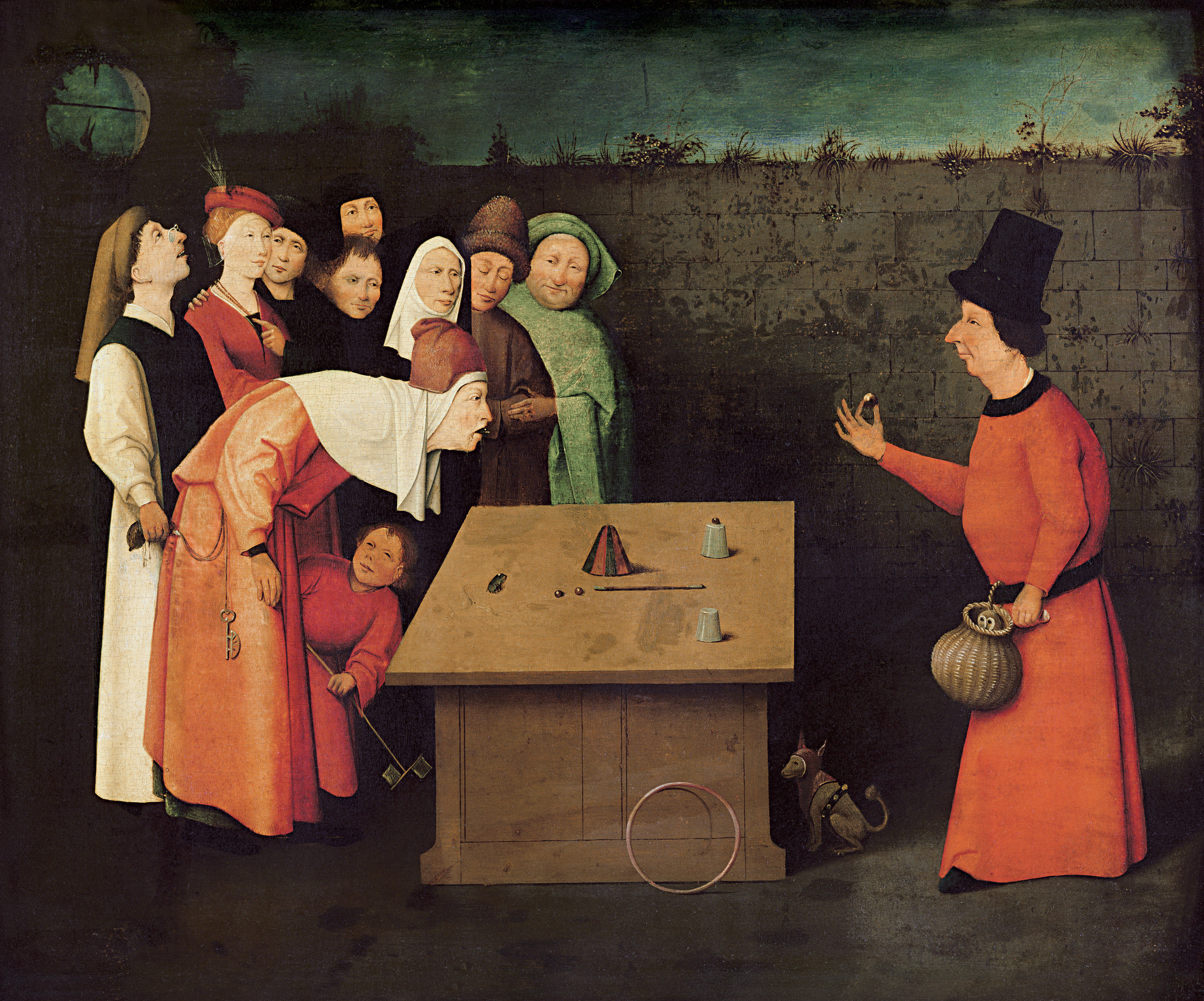
The true, lasting experience from these adventures, however, has no doubt been the companionship of the whole group. I did not just reach the summit on my own, we had all made it together. At every moment there has been someone to lift up spirits, to share your agony or to grab your thermos out of your frosted backpack. The ultimate goal is not to reach the summit, for it doesn't tell much about how you got there. No, the true challenge is to make sure that your team stays safe while crossing mental and physical boundaries you had never imagined you would cross. The reward the mountain spirits offer you is the unique experience of sharing these life-altering moments with like-minded people. They make you forget all the hardship and suffering you experienced, making you long instead for the next summit to be shared.
(I know, I shamelessly breached my five-at-a-time rule. The experience largely exceeded my self-imposed space, and this way you got a better impression of it, I hope...)
Thursday, 14 June 2012
Win-win diplomacy
Old people have something intriguing about them. It is as if every wrinkle has a story that formed it, and every hair a life experience that coloured it grey. Most of the times, I simply admire the history they embody, while imagining what their lives must have been like and which mesmerising stories they carry with them. Sometimes, though, I seek engagement, to learn about their lives, to listen to their memories, and to share some happiness. After all, a lesson learnt now might save you the trouble of missing the mark when you get to face it later on.
That's how I ended up having lunch with UNDP Ecuador's outgoing Resident Coordinator and Country Director, whose retirement (not to be mistaken with idle leasure time) awaits him in but a few months time at his beach-front house in Panama. A lifetime of experience within the UN system made for some good conversation and useful career tips, which I'm happy to share here.

As for your career, whichever direction it may take, the above image pretty much sums it up. Find something that you are passionate about, that you love doing. Make sure you do it well enough so that people are willing to pay for it. If, on top of that, this something of yours happens to be something people need, then you've got yourself a dream ticket. Things rarely come that easy, though. Therefore, plan ahead: start thinking now about the spot in which you'd like to see yourself working in say 5, 10 or 20 years; check out job vacancies that match that very profile to see which road to take to gather the required experience and skills; and watch your own back: no one will take care of your career but yourself, no matter how lofty, noble and high-spirited the organisation you work for presents itself to be.
When asked about his rule of thumb for multilateral diplomatic settings, he was very affirmative: make sure that your actions offer a win-win solution for all parties involved. You won't make nor keep any friends by getting what you want at their expense or by critising without offering alternative solutions. In a world of connections, networks of success are built through win-win diplomacy. Thus, think twice before saying or acting, strike the right balance between content and form, and always make sure to have a trump card to put on the table.
A last piece of advice from this social media savvy, TED-talks aficionado: always save some part of your earnings for whatever unexpected calamity may hit your path, or for a tranquil retirement. Not that he will rest on his laurels, of course: consultancies and teaching will fill up much of the years to come, to pay the bills and take care of his family. After all, that's how he had envisaged his 80th birthday (still some time away, though): surrounded by his family and friends.
That's how I ended up having lunch with UNDP Ecuador's outgoing Resident Coordinator and Country Director, whose retirement (not to be mistaken with idle leasure time) awaits him in but a few months time at his beach-front house in Panama. A lifetime of experience within the UN system made for some good conversation and useful career tips, which I'm happy to share here.

Source: Oxford Leadership Academy
As for your career, whichever direction it may take, the above image pretty much sums it up. Find something that you are passionate about, that you love doing. Make sure you do it well enough so that people are willing to pay for it. If, on top of that, this something of yours happens to be something people need, then you've got yourself a dream ticket. Things rarely come that easy, though. Therefore, plan ahead: start thinking now about the spot in which you'd like to see yourself working in say 5, 10 or 20 years; check out job vacancies that match that very profile to see which road to take to gather the required experience and skills; and watch your own back: no one will take care of your career but yourself, no matter how lofty, noble and high-spirited the organisation you work for presents itself to be.
When asked about his rule of thumb for multilateral diplomatic settings, he was very affirmative: make sure that your actions offer a win-win solution for all parties involved. You won't make nor keep any friends by getting what you want at their expense or by critising without offering alternative solutions. In a world of connections, networks of success are built through win-win diplomacy. Thus, think twice before saying or acting, strike the right balance between content and form, and always make sure to have a trump card to put on the table.
A last piece of advice from this social media savvy, TED-talks aficionado: always save some part of your earnings for whatever unexpected calamity may hit your path, or for a tranquil retirement. Not that he will rest on his laurels, of course: consultancies and teaching will fill up much of the years to come, to pay the bills and take care of his family. After all, that's how he had envisaged his 80th birthday (still some time away, though): surrounded by his family and friends.
Monday, 7 May 2012
Bathroom with a view
Three months into my stay in Ecuador, I figured it would be nice to give you an insight into life at 2,800m. I inherited the room of a friend of mine, in the apartment of an Ecuadorian guy in the historical centre of Quito. Some of the big advantages of this apartment are its character and that of the condominium (as opposed to living in a concrete building, where you know that people six floors up and down live in exactly the same apartment as you do), the cobbled streets with their colonial-era houses and a gamut of small shops, the panoramic view over Quito on my way to work, and the daily exercise from having to walk four steep blocks uphill to get home. Oh, and did I mention the view from the bathroom?


My first preoccupation in Quito was to get the hang of city and how to move around here. The centre is extremely well connected with the rest of town through public transport, and (cheap) taxis are abundant. Quite rapidly I stumbled onto some nice people, expats and locals, with whom I play football and basketball on a weekly basis. Ecuador being relatively small, we often go on a trip in the weekend to contrast the hectic city-life. And if not, a nice stroll in the centre is always a relaxing way to spend the afternoon.


With so much activities at hand, it took me a while to sort out my room - for it had only come with a mattress. A few trips down to the furniture shops of Santa Clara, the helpful hand of our neighbour carpenter and a Sunday afternoon stroll along the local painters' exhibitions at Parque El Ejido gave my room the touch it needed to feel more at home in my new home. Latin America being Ikea-free zone, it's been quite a new experience to have had some of that stuff custom-made, like my desk and leisure pillows.


As for my new job, I have been lucky to land into a great team of Ecuadorians, an energetic Italian lady and a charismatic Cuban boss. This week off to my first field mission and trying to get a regional project started together with Bolivia - busy times. And boy, what a view do I have from my office. That's right, envy me!


Huasipichay (housewarming) in my new apartment

My street, running down all the way into the convent of St. Francis

Panoramic view over the historical centre on my way to work

Bathroom with a view (on the Basilica and St. John's monastery)
My first preoccupation in Quito was to get the hang of city and how to move around here. The centre is extremely well connected with the rest of town through public transport, and (cheap) taxis are abundant. Quite rapidly I stumbled onto some nice people, expats and locals, with whom I play football and basketball on a weekly basis. Ecuador being relatively small, we often go on a trip in the weekend to contrast the hectic city-life. And if not, a nice stroll in the centre is always a relaxing way to spend the afternoon.

The procession on Holy Friday is as good an occasion as any other to sell some soap bubbles

Stuck at 5,400m due to bad weather conditions during our ascent of the Cotopaxi
Crazy fun at the Green Waterfall (Cascasda Verde)
With so much activities at hand, it took me a while to sort out my room - for it had only come with a mattress. A few trips down to the furniture shops of Santa Clara, the helpful hand of our neighbour carpenter and a Sunday afternoon stroll along the local painters' exhibitions at Parque El Ejido gave my room the touch it needed to feel more at home in my new home. Latin America being Ikea-free zone, it's been quite a new experience to have had some of that stuff custom-made, like my desk and leisure pillows.

My room, with a view on the Cayambe...

... and a comfy wobbly chair
As for my new job, I have been lucky to land into a great team of Ecuadorians, an energetic Italian lady and a charismatic Cuban boss. This week off to my first field mission and trying to get a regional project started together with Bolivia - busy times. And boy, what a view do I have from my office. That's right, envy me!

View from my office at the 10th floor
Friday, 6 April 2012
Overwhelming history at the sound of a theorbo
It's Semana Santa, and Quito has a wonderful way of celebrating this week before Easter. At several sacred and less sacred locations in the city centre, top notch artists are performing several performances as part of the XI Festival de Música Sacra. Here's to living in the historical centre! I just have to walk a few blocks down the road to enjoy these musical delights. And the best part is, it's all for free!

The other night, I attended a performance of the Colombian 'early music ensemble' Musica Ficta, in the magical Iglesia de la Compañía, just a block down the road from the presidential palace. This baroque ensemble is renowned for playing Hispano-American baroque music, with scores dug up from archives in Bogotá, Quito, Cusco and other cultural centres of the 15th, 16th and 17th centuries. By default, these historical notes beg for equally historical instruments such as the baroque guitar, the vihuela, the shawm, the dulcian and the theorbo.
As the church got filled with the warmth of guitar strings, graceful puffs and flaring chantings, Carlos Serrano shared with his audience how thrilled they all were to be playing their baroque music in that church, the perfect setting given their historical coincidence. That comment of his made me think back at some of the texts from The Peru Reader that I had read on the Viceroyalty of Peru (stretching from the Carribean beaches of Colombia to Potosi's ore-filled Cerro Rico in present-day Bolivia), the geo-political framework of the very same period in which that music was written and the Jesuit church built.

All of sudden, history came alive. Realising I was listening to 16th century music in a baroque church in Latin America, it daunted to me how alien all of this experience was to these lands. Back in the day, locals didn't compose such music; they weren't catholic; and their concept of a fun night out most certainly wasn't attending a baroque music ensemble. Those who did attend such nights out (or, more likely, afternoons), were the nouveaux riches, the local elite seeking social acceptance among the Spanish colonialists, who had imposed their rites and customs on these promised lands.
Nothing else symbolised in a better way this cultural imposition and ignorance of the local richess as the inside decoration of the church, completely guilded with gold leaf, freshly extracted from the land on which it was built, with the blood of people it had expulsed and demonised. The sounds and voices that just a minute back had sounded so warm and joyful, became distantly cool and, in a way, made me feel out of place. The performance got a whole new dimension, moving me immensly, giving me the sensation that history was overwhelming me. And that, at the sound of a theorbo...
The other night, I attended a performance of the Colombian 'early music ensemble' Musica Ficta, in the magical Iglesia de la Compañía, just a block down the road from the presidential palace. This baroque ensemble is renowned for playing Hispano-American baroque music, with scores dug up from archives in Bogotá, Quito, Cusco and other cultural centres of the 15th, 16th and 17th centuries. By default, these historical notes beg for equally historical instruments such as the baroque guitar, the vihuela, the shawm, the dulcian and the theorbo.
As the church got filled with the warmth of guitar strings, graceful puffs and flaring chantings, Carlos Serrano shared with his audience how thrilled they all were to be playing their baroque music in that church, the perfect setting given their historical coincidence. That comment of his made me think back at some of the texts from The Peru Reader that I had read on the Viceroyalty of Peru (stretching from the Carribean beaches of Colombia to Potosi's ore-filled Cerro Rico in present-day Bolivia), the geo-political framework of the very same period in which that music was written and the Jesuit church built.

Musica Ficta performing in the Iglesia de la Compañía
All of sudden, history came alive. Realising I was listening to 16th century music in a baroque church in Latin America, it daunted to me how alien all of this experience was to these lands. Back in the day, locals didn't compose such music; they weren't catholic; and their concept of a fun night out most certainly wasn't attending a baroque music ensemble. Those who did attend such nights out (or, more likely, afternoons), were the nouveaux riches, the local elite seeking social acceptance among the Spanish colonialists, who had imposed their rites and customs on these promised lands.
Nothing else symbolised in a better way this cultural imposition and ignorance of the local richess as the inside decoration of the church, completely guilded with gold leaf, freshly extracted from the land on which it was built, with the blood of people it had expulsed and demonised. The sounds and voices that just a minute back had sounded so warm and joyful, became distantly cool and, in a way, made me feel out of place. The performance got a whole new dimension, moving me immensly, giving me the sensation that history was overwhelming me. And that, at the sound of a theorbo...
Tuesday, 7 February 2012
On the road again
It's not an easy time for young people, like myself, who have a keen interest in international affairs, development dilemmas and other cross-boundary enigmas, to find a job. Competition is fierce at home, and it only gets worse if you're looking into getting some real field experience that doesn't come straight off your (parents') bank account. For some reason, it just seems that people had it so much easier say twenty-thirty years ago. You just jumped on a plane and went into the field; whatever your experience was, you could turn it into some development-building skills.
Nowadays, however, thousands of students are able to study international development, human rights or even more specific topic areas - unheard of twenty years ago. All these students enter the labour market, eager for a job, preferably in the field, with no other skills but their mind and all the theoretical discussions they've so eagerly engaged in at uni. They face an increasing demand for professional employees - upward and downward accountability kind of spiked up the game for development organisations - while stimulating local capacity building (i.e. getting locals to do the job you so eagerly want to do).
Many a student ends up quite disappointed in a random office job in his home country, doing whatever to keep the beer flowing. Others prefer to get out there, earning the field cred by having themselves exploited for a dime (or less) as they tick off all the main world wonders along the way. Admittedly, some beer may have flowed as well.
In my experience, it has been as much about following your heart and engaging in the real stuff as it has been about getting to know the people, or, put better, getting people to know you and what you're worth. After all, you do possess the skills needed to make it; it's just, there's like a thousand of you waiting to do the same job!
Anyhow, to cut the chase: I'm off! After a year of doing bits and pieces, some more related to international development than others, I've managed to get hold of a really interesting intern position at UNDP in Quito, Ecuador. I hope to learn more soon about what it is exactly that I'll be doing there, but word is that I'll become a gender strategist, as part of a team that accompanies Ecuador's decentralisation of development cooperation. Of course, I'll do my utmost best to keep you posted on my wanderings, along with the occasional inspiring video. Let's stick to the development area this time: sometimes you just need people thinking outside the box, or applying approaches from different fields to yours, to achieve a break through, or at the very least, to stir up sedated minds. Enjoy!
Nowadays, however, thousands of students are able to study international development, human rights or even more specific topic areas - unheard of twenty years ago. All these students enter the labour market, eager for a job, preferably in the field, with no other skills but their mind and all the theoretical discussions they've so eagerly engaged in at uni. They face an increasing demand for professional employees - upward and downward accountability kind of spiked up the game for development organisations - while stimulating local capacity building (i.e. getting locals to do the job you so eagerly want to do).
Many a student ends up quite disappointed in a random office job in his home country, doing whatever to keep the beer flowing. Others prefer to get out there, earning the field cred by having themselves exploited for a dime (or less) as they tick off all the main world wonders along the way. Admittedly, some beer may have flowed as well.
In my experience, it has been as much about following your heart and engaging in the real stuff as it has been about getting to know the people, or, put better, getting people to know you and what you're worth. After all, you do possess the skills needed to make it; it's just, there's like a thousand of you waiting to do the same job!
Anyhow, to cut the chase: I'm off! After a year of doing bits and pieces, some more related to international development than others, I've managed to get hold of a really interesting intern position at UNDP in Quito, Ecuador. I hope to learn more soon about what it is exactly that I'll be doing there, but word is that I'll become a gender strategist, as part of a team that accompanies Ecuador's decentralisation of development cooperation. Of course, I'll do my utmost best to keep you posted on my wanderings, along with the occasional inspiring video. Let's stick to the development area this time: sometimes you just need people thinking outside the box, or applying approaches from different fields to yours, to achieve a break through, or at the very least, to stir up sedated minds. Enjoy!
Monday, 26 December 2011
Warm wishes for today, tomorrow and the days after!
It's the time of the year when many gather with family and friends, to share love and warmth, stories of happiness and sorrow, and laughter. It's also the time of the year when we wish each other the best possible for the new year to come. Next year should be even more glorious, joyful and prosperous than the previous one - imagine the challenge these wishes bring with them as you grow older.
I won't wish you the best, for many others have certainly done so already. Instead of looking forward, I wish you time to look back. Take a look back into last year and think about what you have done, what has happened in your life and how you have felt. Try, then, to gather from these experiences the good things and the bad things and see how they were brought about. What would you like to happen again, what would you like to feel again, what would you like to do again?
Not the what is important in that question, but the how: how did you live, how were you back then? And how can you be to create the space for it to happen again? It's a form of taking care of yourself, for only if you feel well, you can take care of others. So I wish you time to reflect, to nurture yourself, for you to feel confident to face the new year, come what may.
Just like this group of Peruvians, sitting in a bus on their way to march the Inca trail. Their eyes all tell a different story. They were sitting quiet in the bus, looking outside; yet, they were also looking inside, inside themselves, building up strength to face the adventure ahead of them. When you're mentally fit and ready, you've conquered half the journey already!

Happy New Year!
Monday, 10 October 2011
Could you spare me a dime, my friend?
It's been a few weeks since my last post. I have been busy, indulging myself in cultural nights out, meeting friends and family all over the place. But I also have been quite tired. Although I like to pretend I can manage a few nights with less than 7 hours of sleep, if I do so, I feel too exhausted after work to do anything active in the evening. So it's a good thing I haven't been writing, because I did not have the energy to give you my thoughts. For me to feel well, I need sleep. Although I'm well aware that my mental well-being is beyond salvation, letting things rest, giving myself time to look around and soak up the colours of life does bring me a good deal along the road towards feeling more energetic.
It's a pretty basic principle of life, in fact: you cannot give, or treat other people well, for that matter, if you don't give yourself a moment off, or a treat you would usually forsake, when you could use a little dose of happy feelings. Of course I am not the first one to come up with this attitude, but it never hurts spreading the word.
Now then, two weeks ago, I was walking down the Antwerp Central train station, plenty of positive energy inside of me, to catch a train to the Netherlands for a job interview. As the escalator goes down, I get surpassed by someone who I think was in a rush to catch the train. Instead, he stops abruptly a few steps below me and starts talking to me in English. He had noticed that my coat had a label that said 'Quechua' - "that's a French brand, do you speak French?". He himself did, as he was from Burkina Faso. "No kidding, wait a sec, Ouagadougou is your capital, right?", I said, still convinced this was just a warm hearted fella sharing some positive energy in a morning chat with a random stranger. (happy face)
Not so. By the time we had reached the platform, it turned out he had missed his flight to Brussels ("look, the Schengen visa in my passport says I should have gotten here 10 days (!) ago") and so he had missed the people from Amsterdam who had invited him to come over in the first place and who were supposed to have picked him up at the airport. He had tried going to some immigration offices to seek help, but no one could offer him any, as he was here on a legitimate - albeit moneyless - basis. If I could spare him a ticket to Amsterdam, he asked. I kindly declined, pointing out I was unemployed. Instead, I gave him the address of the Amnesty International office, which wasn't too far off, as I honestly had no clue who could help him. "And a dime to eat? I haven't eaten since yesterday…" (sad face)

an angry Mongol warrior slitting my niece's throat for a nickel
I never really know well what to do in such situations. I want my job to be helping people by giving them a voice or the means to improve their lives. But does that mean I have to give something to everybody who comes asking for it in my face? For now, I ease my conscience with the fact that I don't earn any money, which makes it more difficult for me to give a financial contribution. Unfortunately people here don't have the creativity that I witnessed in Latin America and Asia to make money - be it selling biscuits or sweets on street corners or entertaining people waiting at a crossroad while dressed as Charlie Chaplin - there's a myriad of ways to have people give you money! As for when I eventually will make money, I still haven't figured out what I'll do, but I'll have to make a choice somehow. With hindsight, I guess I should have bought the guy his train ticket (although his was a murky story), if hadn't had to catch my train. Because, let's be honest - there is no inherent virtue in money. Its natural state is to flow, so let it flow to those in more need of it!
Monday, 19 September 2011
No, my (Polish) mum wasn't cleaning my dad's office when they met
A few years ago, I was taking up French evening classes. The audience consisted mainly of working people, with just a few students like me. After a few classes a pretty, shy girl in her early twenties joins in. She introduces herself briefly, saying her name and that she comes from Romania. My first thought was: how good of her, she's spiking up her French to improve her work prospects - in the informal cleaning industry, that is. Dutch being nearly impossible, she should get around well with French. Never mind that the language school was in Leuven, a major university city in Belgium. Never mind that if she didn't know Dutch, and really wanted to find such a job, she probably would have been gone straight to Brussels in the first place.
It's the perfect, yet very embarrassing, illustration of what the Nigerian writer Chimamanda Adichie talks about in her TED-talk: it is easy to judge people by their nationality, rather than as the person who they are by their own right. It is dangerously easy to forget that everybody has his or her own story about who s/he is as a person. Yes, nationality can play a role in it, but it's not because you're from an African country that you listen to tribal music every single minute of the day, or that you don't know what an electric cooking stove is. It's not because you have a cleaning lady from a poor family, that they aren't capable of being creative, of producing quality products they can sell to generate an income.
When I walk on the street, when I sit on the train, or when I am traveling in far-away countries, I always wonder what people's story is. Especially with those old people whose wrinkled faces vividly tell you that they've gone through quite some history. Even though I die to hear their stories, I'm often too embarrassed to ask. I envy people who have this natural flair and get all these stories out of people. Like this guy who has walked from his home in Belgium to Santiago de Compostela with a camera on his shoulder, meeting the most random people on his way, who tell him their deepest life stories.
The more people I meet, the less I associate them with countries. Rather, I start associating countries with those people. Myself, I've given up trying to hide my true story. You never know who it is you're meeting, if you're going to see him or her ever again, and, most importantly, how impacting the real story of yourself can be on that person. I'm always surprised by the amount of goodness that I find in people. It often makes me wonder - where is it, then, all this negativity I hear about in the media? What stops us from a peaceful society, where people actually enjoy living together and embrace diversity?
I guess it's just that much easier to hide in your own shell, keep that hostile - because unknown - outside world far away, prey to your prejudices. I am guilty, too. Aren't we all, sometimes? But then I think of all the missed opportunities to share a positive view on our society with others, all the fascinating people that are walking around there, bringing hope by being the persons they are, instead of the negative people take them for. It could be the beginning of wonderful friendship with a talented exchange student seeking opportunities she doesn't get back home to put her great talents to practice, I can tell you that!
It's the perfect, yet very embarrassing, illustration of what the Nigerian writer Chimamanda Adichie talks about in her TED-talk: it is easy to judge people by their nationality, rather than as the person who they are by their own right. It is dangerously easy to forget that everybody has his or her own story about who s/he is as a person. Yes, nationality can play a role in it, but it's not because you're from an African country that you listen to tribal music every single minute of the day, or that you don't know what an electric cooking stove is. It's not because you have a cleaning lady from a poor family, that they aren't capable of being creative, of producing quality products they can sell to generate an income.
When I walk on the street, when I sit on the train, or when I am traveling in far-away countries, I always wonder what people's story is. Especially with those old people whose wrinkled faces vividly tell you that they've gone through quite some history. Even though I die to hear their stories, I'm often too embarrassed to ask. I envy people who have this natural flair and get all these stories out of people. Like this guy who has walked from his home in Belgium to Santiago de Compostela with a camera on his shoulder, meeting the most random people on his way, who tell him their deepest life stories.
The more people I meet, the less I associate them with countries. Rather, I start associating countries with those people. Myself, I've given up trying to hide my true story. You never know who it is you're meeting, if you're going to see him or her ever again, and, most importantly, how impacting the real story of yourself can be on that person. I'm always surprised by the amount of goodness that I find in people. It often makes me wonder - where is it, then, all this negativity I hear about in the media? What stops us from a peaceful society, where people actually enjoy living together and embrace diversity?
I guess it's just that much easier to hide in your own shell, keep that hostile - because unknown - outside world far away, prey to your prejudices. I am guilty, too. Aren't we all, sometimes? But then I think of all the missed opportunities to share a positive view on our society with others, all the fascinating people that are walking around there, bringing hope by being the persons they are, instead of the negative people take them for. It could be the beginning of wonderful friendship with a talented exchange student seeking opportunities she doesn't get back home to put her great talents to practice, I can tell you that!
Subscribe to:
Posts (Atom)